Teachings
More than fifteen years after beginning to transmit Kalarippayat, my teaching has evolved, primarily thanks to my students, to whom I have sought to adapt, but also thanks to numerous encounters with other teachers and practitioners of martial arts, yoga, circus, and other movement arts. The time required to assimilate the concepts present in Kalarippayat and in the other martial disciplines to which I have been initiated has allowed me to better extract the principles that I transmit today through a framework which, in my view, applies to movement in general and to combat in particular.
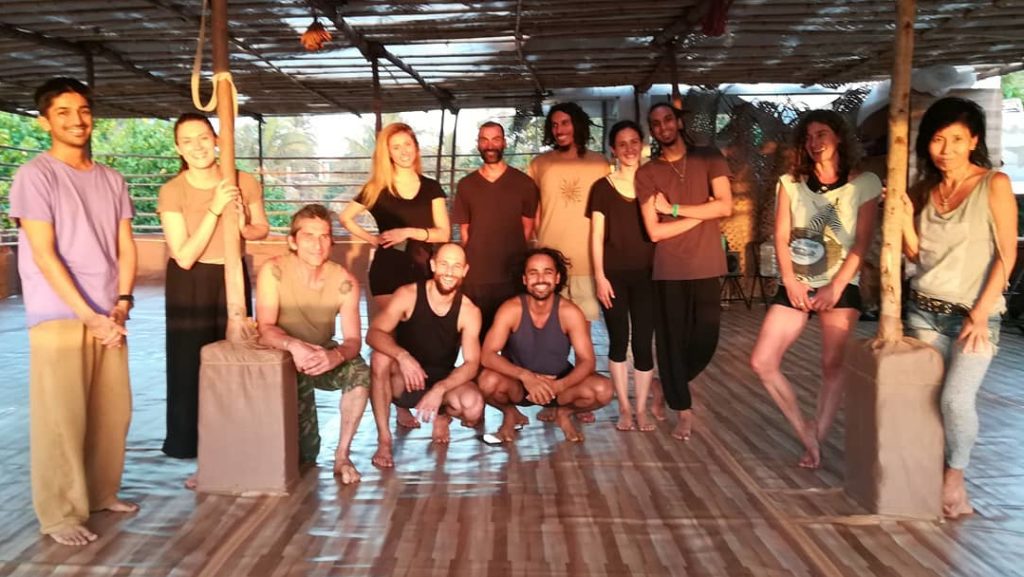
Conscious that not everyone seeks the same thing and desiring to reach the greatest number, I have endeavoured to deliver my teaching through thematic entries, which you will find presented in the sub-menus:
- Body Conditioning, generally designated as Mey Abhyassam, is essentially based on exercises belonging to the Northern and Central styles and constitutes the first essential step in my classes, accessible to all;
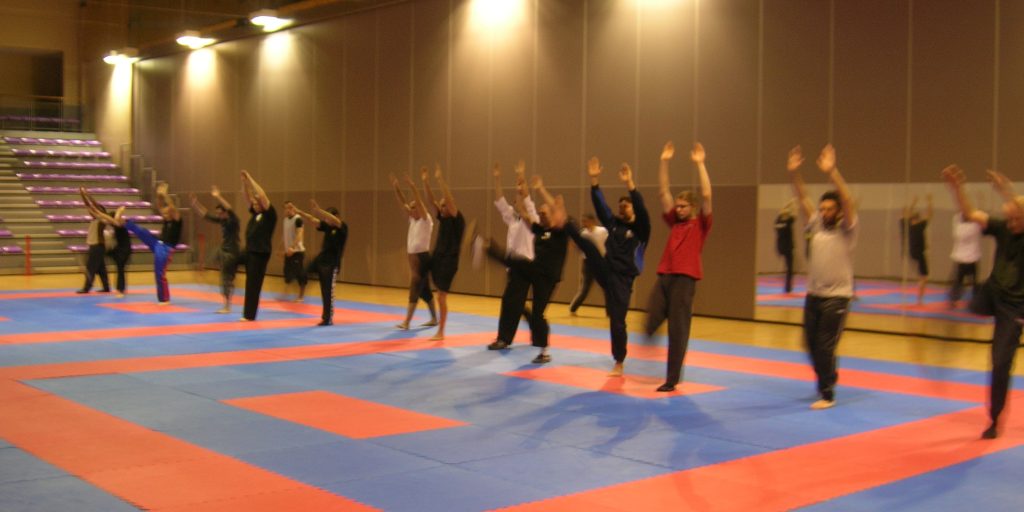
- The practice of Body Forms corresponds essentially to the Meypayattu of the Northern style. These are true programmes of psycho-emotional and martial conditioning that contribute to the subtle equilibrium of the practitioner (demanding in their traditional practice, I adapt the postures of the forms without altering their archetype in order to make them accessible to all);
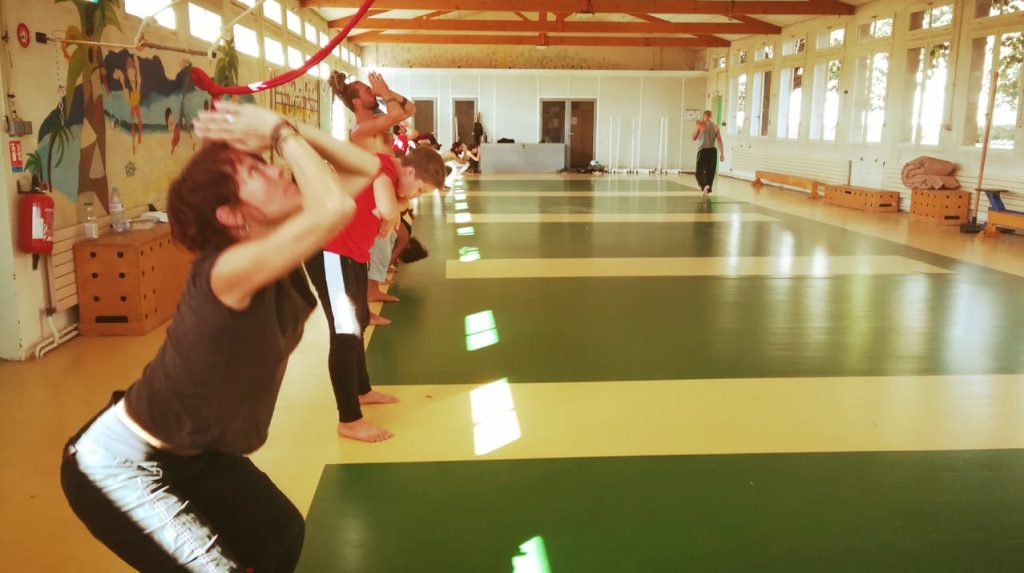
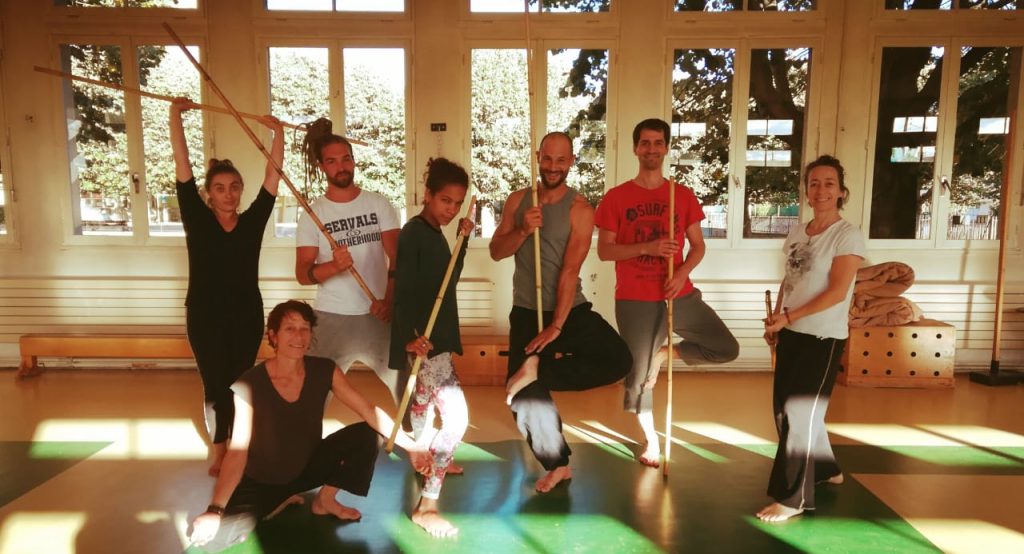
- I teach Object Manipulation starting with the long stick, and if I speak of objects rather than weapons, it is notably to make manifest the bridges that exist with the props of circus artists or the tools of artisans (accessible to all);
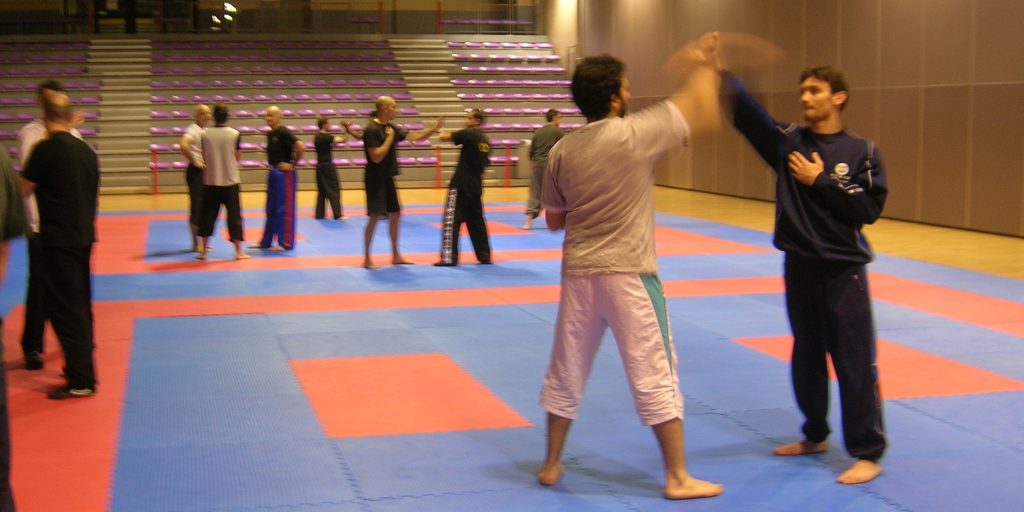
- I now approach the teaching of Bare-Hand Combat, contained in the different styles in a principled manner, choosing for example to focus on the central axis or the blind angle, on distance and displacement, or on impact reinforcement. This theme is rather reserved for practitioners of martial arts and combat sports wishing to focus on martial effectiveness;
- To deepen the spiritual and energetic dimension of our practice, I propose an entry Body and Consciousness through which Indian traditions concerning the subtle body are addressed. Among other things, I draw bridges with practices such as Yoga, Ayurveda, or Chinese internal martial arts (Nei Chuan); this entry, accessible to the greatest number, nevertheless presupposes a certain openness of mind that is not very compatible with materialist beliefs.
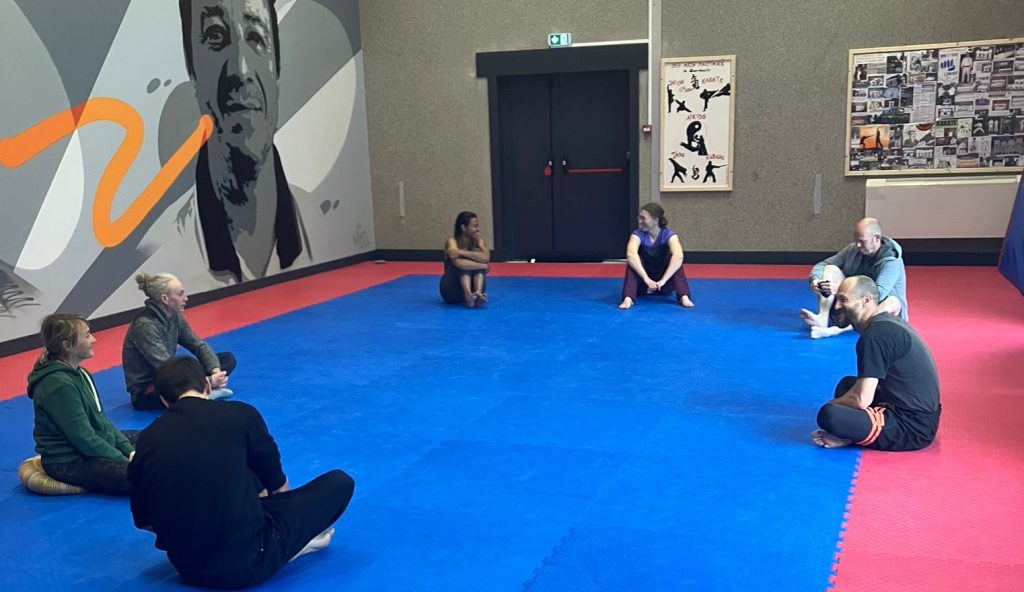
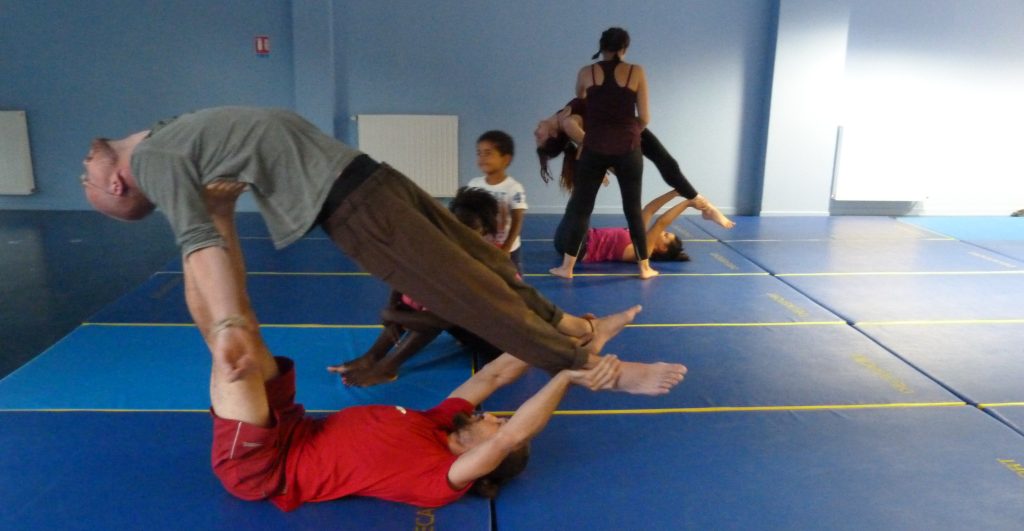
- Finally, the Kalari Fusion trainings have been specifically designed to build bridges with other disciplines, with the aim in particular of broadening bodily consciousness or making the postural archetypes that underlie movement more tangible. Kalarippayat lends itself particularly well to combination with Yoga or Acroyoga, but it can also be used to complement other martial arts, in support of danced choreographies or staged combats.